
8 everyday foods that could help slow ageing naturally |

Ageing usually does not announce itself. It shows up quietly. You wake up feeling heavier than usual. Recovery takes longer. Skin reacts differently. Energy dips without warning. Most people blame work, stress, or lack of sleep. But food plays a role that often gets ignored. What you eat does not just affect weight or digestion. It shapes inflammation, hormone signals, immune response, and how much damage your cells take every single day. Over years, this decides how fast ageing catches up.In a recent Instagram reel, Dr Sethi talks about this using simple examples and everyday foods. In the post, he lays out eight food related factors that influence ageing, disease risk, and even mortality. Nothing dramatic. No extreme rules. Just patterns that quietly add up.
Best everyday foods to consume for slowing ageing and better health
Ageing is not triggered by one bad habit. It is created slowly through repeated stress inside the body. Constant inflammation. Poor fat quality. Oxidative damage that never fully settles. Weak detox systems are struggling to keep up. The foods Dr Sethi points to work on these exact issues. Not overnight. Over time. When these systems are supported regularly, the body ages under less pressure.
Anti-ageing fat (olive oil)

Dr Sethi starts with anti ageing fat, shown with olive oil. This matters because fat becomes part of your cells. Olive oil supports cell structure and keeps membranes flexible. It does not push the body into inflammation the way processed oils do. Over time, this protects the brain, skin, and heart in subtle but important ways.
Inflammation-lowering (fatty fish)
Fish appears under inflammation-lowering. Chronic inflammation speeds up ageing even when you feel fine. Omega-3 fats found in fish help calm that constant low-level stress inside the body. Joints feel better. Blood vessels stay healthier. Organs take less long-term damage.
Polyphenols (berries)

Berries represent polyphenols. These are protective plant compounds that deal with free radicals. Free radicals damage cells slowly and quietly. Berries help reduce that load. Regular intake supports brain health and cellular repair. It is not about large portions. It is about consistency.
Anti-oxidative support (green tea)
Green tea shows up under antioxidative support. It contains compounds that reduce oxidative stress. This stress builds every day from pollution, food, and normal metabolism. Green tea helps ease that burden. Over the years, that matters more than people realise.
Heart-healthy fats (nuts)
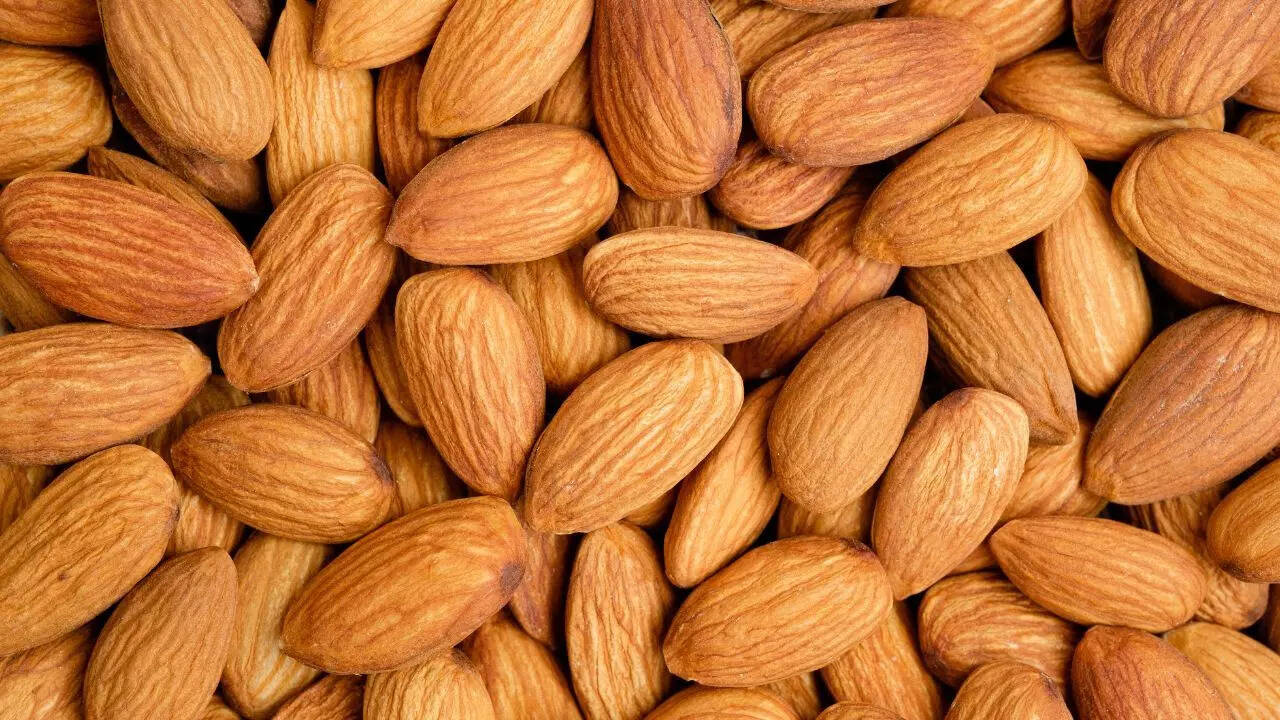
Nuts sit under heart-healthy fats. Ageing and heart health are deeply linked. Nuts provide fats and minerals that support blood vessels and cholesterol balance. They also help keep blood sugar steadier, which reduces internal stress.
Immune support (fermented foods)
Fermented foods appear under immune support. Gut health influences immunity more than most people think. When the gut is supported, the immune system works better and inflammation stays lower. Fewer infections. Less strain. Slower internal ageing.
Detox pathway activation (cruciferous vegetables like cauliflower)

Cauliflower represents cruciferous vegetables. These foods help the liver do its job more efficiently. This is not detox culture. It is basic support for systems already working every day. When waste processing improves, cellular stress drops.
Mortality reduction (black coffee)
Black coffee closes the list. Research links moderate black coffee intake to lower mortality risk. The benefit comes from antioxidants, not sugar or cream. When kept simple, coffee supports metabolic and heart health over time.Taken together, these foods do not stop ageing. They reduce damage. They lower stress inside the body. They give cells a better environment to function longer. Ageing then becomes slower, quieter, and far less harsh than it could be.Disclaimer: This content is intended purely for informational use and is not a substitute for professional medical, nutritional or scientific advice. Always seek support from certified professionals for personalised recommendations.Also read| The hidden side effects of drinking black coffee regularly