Economic Survey 2025-26: Urban land dead capital, must be used well
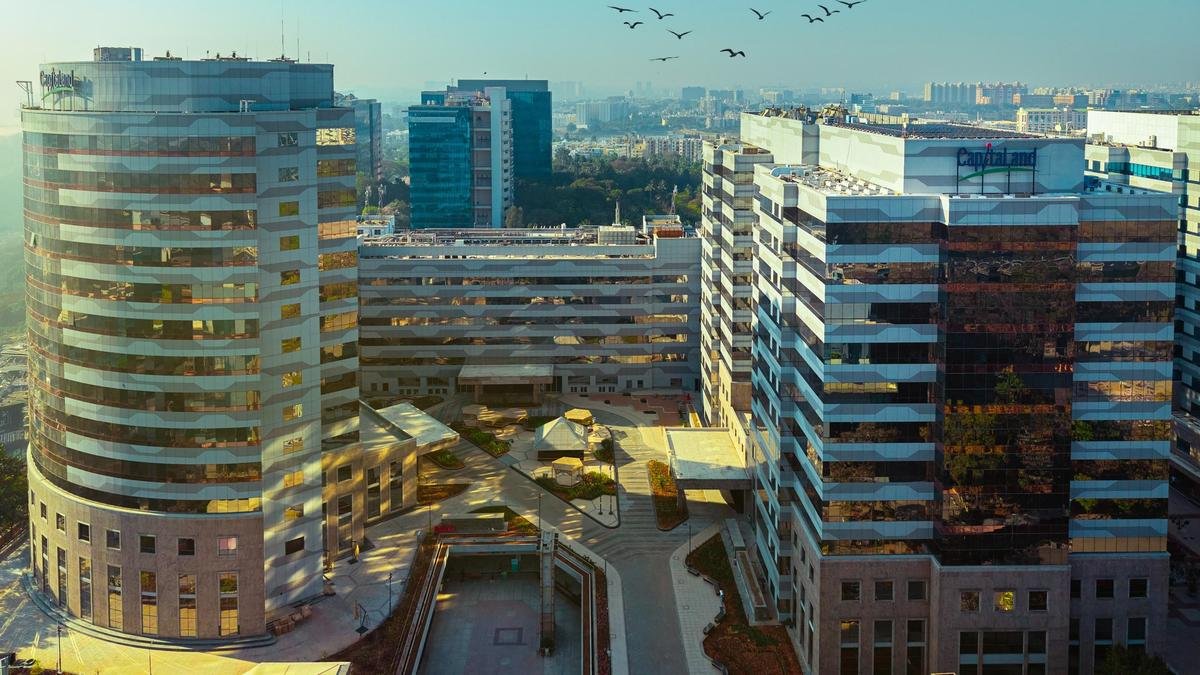
Image used for representation only.
| Photo Credit: The Hindu
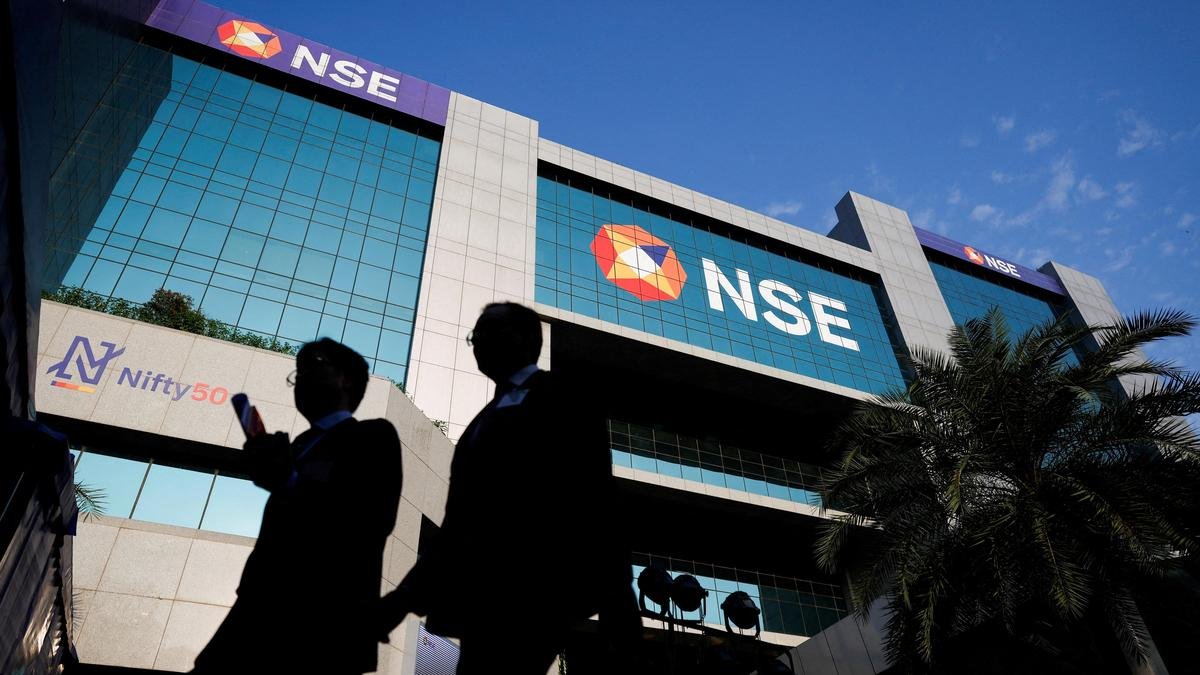
Highlighting issues pertaining to urban land use and facilities, the Economic Survey 2025-26, released on Thursday (January 29, 2026) referred to land in major cities as dead capital.
“In economic parlance, dead capital refers to assets that are unable to function as productive capital,” the survey noted, adding that such assets are unable to contribute to economic activity due to regulatory or legal constraints, or market inefficiencies. It indicated that land in many cities was dead capital “due to a combination of restrictive land-use regulations, title insecurity, and fragmented markets, as well as speculative incentives that lead to low land recycling.”

Under restrictive land-use regulations, the Survey pinpoints Development Control Regulations (DCRs), including low floor space index (FSI) and low floor-area ratio (FAR), and caps on built-up area on a certain unit of land. These restrict vertical development and cause outward spatial expansion, thereby creating artificial scarcity in urban areas and driving up land values, the Survey adds. This also increases the per-unit cost of infrastructure delivery, thereby reducing housing supply and raising prices.
State governments and urban development bodies are “modifying DCRs and granting additional FSI for a premium on a piecemeal basis,” however, a holistic rethink is required, the authors note, pointing to a new master plan from Chennai Metropolitan Development Authority which incorporates higher FSI in some areas and mixed-use development. The survey also points to resources for urban optimisation, such as the guidance documents for transit-oriented development (TOD) plans created by the Ministry of Housing and Urban Affairs.

It cautions that an increase in FSI and FAR may unlock economic value, but the resultant density would pose an additional challenge if supporting infrastructure is not developed. Indian cities, except for some dense areas like business districts, have lower FSI compared to global cities like New York and Hong Kong, the survey notes, highlighting that “successful global cities are dense by design and pair density with robust services.” These services may include sanitation, water supply, and public transportation. The lack of adequate planning in this sector would generate additional challenges, such as traffic congestion, water shortages or inadequate sanitation measures.
A second hurdle that makes land “dead capital” is a lack of clarity with regard to land titles, the Survey notes, highlighting that “secure, transferable property rights” are necessary for land to function as capital. Noting that the central government has taken steps to address these issues under the Digital India Land Records Modernisation Programme (DILRMP), the Survey notes developments such as the Unique Land Parcel Identification Number (ULPIN) or Bhu-Aadhaar, and National Generic Document Registration System (NGDRS). States such as Karnataka (Bhu Suraksha scheme) and Telangana (Bhu Bharati portal) have also made progress with digitalising some aspects of land registration and transfer.
Published – January 29, 2026 06:58 pm IST