Parenting quote of the day by Immanuel Kant: “All our knowledge begins with the senses, proceeds then to the understanding, and ends with reason. There is nothing higher than reason”
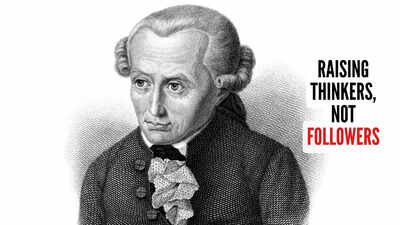
“All our knowledge begins with the senses, proceeds then to the understanding, and ends with reason. There is nothing higher than reason.” – Immanuel KantThis sentence was written in the 18th century, yet it speaks directly to modern parenting. Children today grow up in a world full of screens, fast answers, and instant opinions. But learning does not begin on a screen. It begins when a child touches, smells, listens, watches, and asks. Kant believed that knowledge is not automatic. It follows a path. To connect it to parenting one can say, first, children experience the world. Then they make sense of it. Finally, they learn to think deeply and choose wisely. That journey matters more than grades, medals, or applause.Parents who understand this path can raise children who think clearly, not just react quickly.
Learning begins with the senses
A child does not understand “hot” because someone explains it. The child understands it after feeling warmth near a cup of tea. A toddler does not learn balance from theory. The body learns it while falling and standing again.Early experiences shape the brain. According to child development research from bodies like the UNICEF, sensory-rich environments in early childhood support stronger cognitive growth. This does not mean expensive toys. It means mud between fingers, kitchen smells, garden sounds, and real conversations.Parents can slow down daily life. Let children knead dough. Let them listen to rain instead of rushing indoors. Let them hold a seed before planting it. These moments look small. They build the base of thinking.Without real experiences, understanding stays shallow.
Understanding is built, not downloaded
After sensing comes understanding. This stage is skipped in a hurry to produce “smart” children.Understanding happens when a child connects dots. Why did the plant grow toward sunlight? Why did a friend feel hurt? Why does lying create trouble?Instead of giving quick answers, thoughtful parents ask guiding questions. Not to test, but to stretch thinking. A simple “Why do you think that happened?” invites the child to organise thoughts.Schools focus on memory. But understanding needs time. When children explain ideas in their own words, they build mental structure. That structure stays longer than memorised facts.Knowledge that is only repeated can fade. Knowledge that is understood can grow.
Reason is a skill, not an age
Kant placed reason at the highest level. Reason means the ability to weigh facts, emotions, and consequences before deciding.Children are not born with strong reasoning. It develops gradually. Parents can train reason gently. When siblings fight, instead of choosing sides immediately, encourage both to present their version. Ask what would be fair. Let them reflect.Reason also grows when children see adults admit mistakes. A calm “That decision was wrong; it should have been handled differently” teaches more than long lectures.Reasoning children become thoughtful adults. They pause before reacting. That pause protects them in life.
Protecting the path from senses to reason
Modern life interrupts this natural flow. Screens flood senses with fast images. Opinions appear before understanding forms. Children may jump to conclusions without processing.This is not about rejecting technology. It is about balance. Encourage slow thinking. Board games that need strategy. Reading that demands attention. Outdoor play that requires problem-solving.Family discussions during dinner can become mini thinking workshops. Ask about a news event and invite perspectives. Not to argue, but to explore.When children practise thinking step by step, they learn patience. That patience is rare today.
Discipline that builds thinking
Discipline becomes a list of rules. Kant’s idea suggests something deeper.Instead of “Because it was said so,” explain reasons. When children understand the logic behind rules, they follow them with awareness. This builds internal discipline.For example, bedtime is not only about authority. It supports growth, mood stability, and learning. When the reasoning is shared clearly, resistance reduces over time.Children who know why something matters are more likely to choose wisely when no adult is watching.
Raising children who trust their minds
The final stage of knowledge is confidence in reason. This does not mean stubbornness. It means trusting careful thought.Parents can encourage independent opinions. If a teenager disagrees respectfully, allow space. Debate strengthens thinking muscles.Praise effort in reasoning, not just correct answers. A child who changes opinion after new evidence shows maturity.The goal is not to create followers. The goal is to raise thinkers. Thinkers question, analyse, and decide responsibly.And that skill stays long after childhood ends.Disclaimer: This article is for educational purposes only. It draws on established philosophical ideas and widely accepted child development research. It does not replace professional psychological or educational advice. Parents facing specific developmental concerns should consult a qualified child development expert or healthcare professional.