Sewer rats in drains and toilets: How they enter your home and signs to watch for |
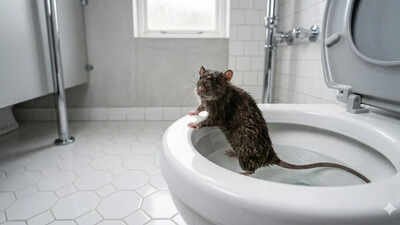
It may seem odd to picture a rat coming up through a drain or toilet, but it can happen in homes that are connected to sewer systems. Rats like to live in underground drainage systems because they can find food, water, and a place to sleep there. Sometimes they can get through pipes and into your home’s plumbing. A lot of people don’t realise there’s a problem until they hear or smell something strange. Knowing how sewer rats move through drains, what signs to look for, and why they come into homes can help you find the problem early.
What are sewer rats
Sewer rats are usually brown rats that live in underground sewer systems where it’s warm and there is food.They swim well and can easily get through pipes that are full of water. These rats can hold their breath for a few minutes and go a long way to find food.These skills help them get from one place to another through sewer systems, which are like roads.
Can rats really come up through toilets
Yes, it is possible, but it doesn’t happen very often. Some pipes connect toilets to the main sewer line. This makes a way for things to get from underground systems to homes.Rats can get into these pipes and move around inside them. They can swim through parts of the plumbing that are filled with water and squeeze through small openings because their bodies are flexible.Rats usually don’t stay in water for very long. They go through pipes that are dry or only partially wet, and they only go through water when they need to.
How sewer rats enter drains and homes
When rats are looking for food or a place to live, they usually enter homes through the drainage system.
- Through pipes in the sewer
Rats live in sewers and can move through pipes that are linked to each other. They might be able to get into residential plumbing if there is an open path.
- Through little cracks and holes
Rats can fit through very small holes. Even small cracks in pipes or joints can let things in.Some rats get in through the vent pipes on the roof and then move down into the system.Rats look for new places to live when food runs out in sewers. They may be drawn to homes where food or trash is easy to get to.
Signs of sewer rats in drains
You might see warning signs before you see a rat in a lot of cases.Sounds like scratching, squeaking, or movement coming from inside walls, floors, or pipes can mean that something is going on.Droppings, urine, or a dead rat inside the system can make strong, bad smells.
- Drains that are slow or blocked
Rats or nesting material can get into pipes and block them, which can make them drain slowly or make gurgling sounds.
- Droppings close to drains
If you see small, dark, pellet-shaped droppings around sinks or floor drains, that’s a clear sign.Rats often leave marks on pipes, wires, or other things they chew on.
Why sewer rats come into houses
Rats don’t go into homes for no reason; they mostly do it because they need food and shelter.
- Look for food
- Need for a place to stay
- Warmer conditions inside
- Access through broken pipes or open spaces
Sewers often get too full, which makes rats look for new places to live. If there are ways to get into homes that are connected to these systems, they can become targets.
Are sewer rats dangerous
Sewer rats can be bad for your health and the structure of your home.
- They can spread bacteria and diseases.
- They could make surfaces and water dirty.
- They can hurt wires, pipes, and building materials.
People can also be worried about their safety when they see something unexpected, like a rat in the toilet.
What to do if you suspect rats in drains
It’s important to be careful if you see any signs.
- Don’t use the affected drains too much.
- Close the toilet lids when you’re not using them.
- Don’t try to block pipes on your own.
- Call trained professionals to look at the drainage system.
How to reduce the risk
There are easy things you can do to keep rats from getting into your home through drains.
- Repair broken pipes or cracks
- Make sure to seal up food waste well.
- Toilets that aren’t being used should have water flowing through them all the time.
- Seal up any holes around the plumbing lines.
These steps help keep the natural barrier between your home and the sewer system.