

Fyodor Dostoevsky Quotes: Quote of the day by Fyodor Dostoevsky: ‘To love someone means to see them as God intended them’

“To love someone means to see them as God intended them.”It’s a simple line, but it sticks with you. Not in a loud, dramatic way – more like something that quietly sits in the back of your mind and makes you rethink what love actually means. Not the over-the-top, movie-style version. Something calmer. Slower. More real.When we say we love someone, what are we really saying? A lot of the time, it’s about how they make us feel. We love their sense of humor, the way they talk, how they “get” us. And that’s all genuine – but there’s usually a catch. We love them because they fit into what we like, what we expect. In a way, they match our idea of who they should be.That’s where this quote kind of nudges us.Seeing someone “as God intended them” means stepping outside of all that. It means looking past your checklist – past what you want them to be, past even their flaws – and just seeing them as a whole person. Someone shaped by their own life, their own struggles, their own fears and hopes. Not just the version of them that works for you.And honestly, that’s not easy.Because if we’re being real, we try to change people all the time. Maybe not in obvious ways, but it happens. We want them to be a bit more driven, a bit more open, a bit more like us. Sometimes we even convince ourselves it’s for their own good. But if you look closely, a lot of it comes from our own discomfort.This kind of love asks you to pause and really see the person in front of you. Not fix them. Not adjust them. Just understand them.That doesn’t mean ignoring their mistakes or pretending everything they do is fine. It’s not about being blind. It’s about being fair. It’s about remembering they’re still figuring things out – just like you are. Instead of jumping to “how do I change this?” you shift to “why are they like this?”There’s something humbling about that. It reminds you that you don’t fully know anyone. Not completely. Even the people closest to you have parts of themselves you’ll never fully see. Once you accept that, it becomes a little easier to stop judging so quickly and start listening a bit more.And that changes relationships.When someone feels like they can just be themselves around you – no pressure, no constant fixing – it creates space. Space to be honest. Space to be vulnerable. Space to grow naturally. That’s where real connection starts, not in perfection but in acceptance.Think about the last time someone really understood you. Not just what you said, but what you meant. Even the things you couldn’t explain properly. It probably felt rare. Comfortable in a way that’s hard to describe. That’s the kind of feeling this idea points to – and it’s something you can give to others too.Of course, it’s not always going to be smooth.People can be messy. They mess up. They hurt you. They act in ways that don’t make sense. In those moments, it’s way easier to label them – selfish, careless, difficult – and just stop there.But this way of loving pushes you to look a little deeper. Not to excuse bad behavior, but to understand it. What’s behind it? What are they dealing with? What’s going on inside that you can’t see?It doesn’t remove accountability, but it adds perspective.There’s also a quiet strength in loving like this. It’s not fragile. It doesn’t fall apart the second things get hard. It bends. It adjusts. It stays steady. It says, “I still see you,” even when things aren’t perfect.And interestingly, the way you see others is often a reflection of how you see yourself. If you’re constantly hard on yourself, it’s tough to be gentle with anyone else. But when you start accepting your own flaws, it becomes easier to accept theirs too.So really, this quote isn’t just about other people. It’s about you as well. It makes you ask some uncomfortable but important questions. Are you trying to control people? Are you projecting your expectations onto them? Are you actually listening, or just waiting for them to become what you want?The more honest you are with those questions, the closer you get to that deeper kind of love.
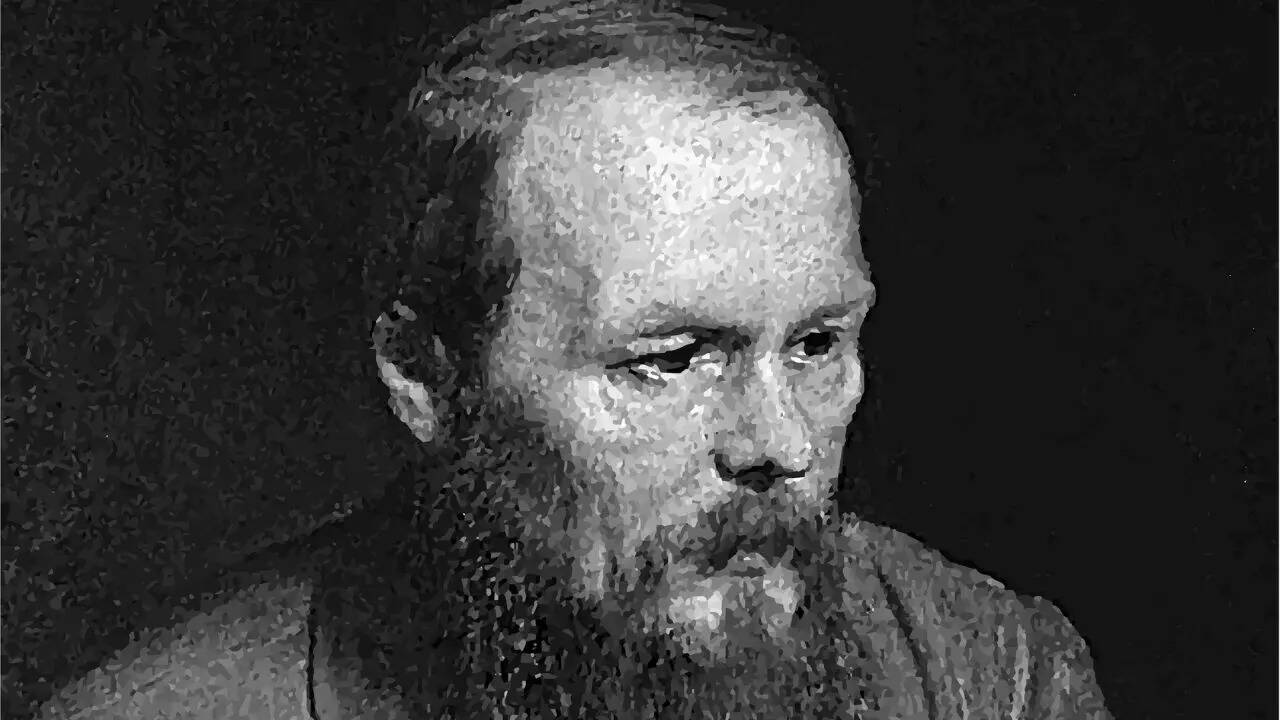
Quote of the Day by Fyodor Dostoevsky: ‘Power is given only to those …’— Top quotes by the renowned philosopher
There’s also a slightly spiritual side to it, even if you don’t take it literally. The idea that people are “intended” a certain way suggests that everyone has value. That they’re not random or disposable. And when you start seeing people like that, respect comes naturally.And respect matters – a lot more than we sometimes admit. It’s what keeps relationships steady. It’s what lets people disagree without tearing each other apart. It’s what helps things last when the excitement fades.In everyday life, this kind of love shows up in small ways. Being patient when someone’s having a rough day. Actually listening instead of interrupting. Letting go of the need to always be right. Accepting that their path might look nothing like what you imagined for them.Simple things, but not always easy.At its core, this quote is really about changing your perspective. Seeing people not as problems to fix or roles to fill, but as individuals figuring things out in their own way.And maybe that’s what love really is. Not trying to reshape someone into your idea of perfect, but noticing—and appreciating—the imperfect, complicated, real person they already are.It’s not the easiest kind of love. But it’s probably the most honest one.

I think other site proprietors should take this web site as an model, very clean and excellent user friendly style and design, let alone the content. You’re an expert in this topic!
Some genuinely choice blog posts on this web site, saved to fav.