


Centre tightens fire safety norms for hospitals, mandates audits and evacuation plans | India News
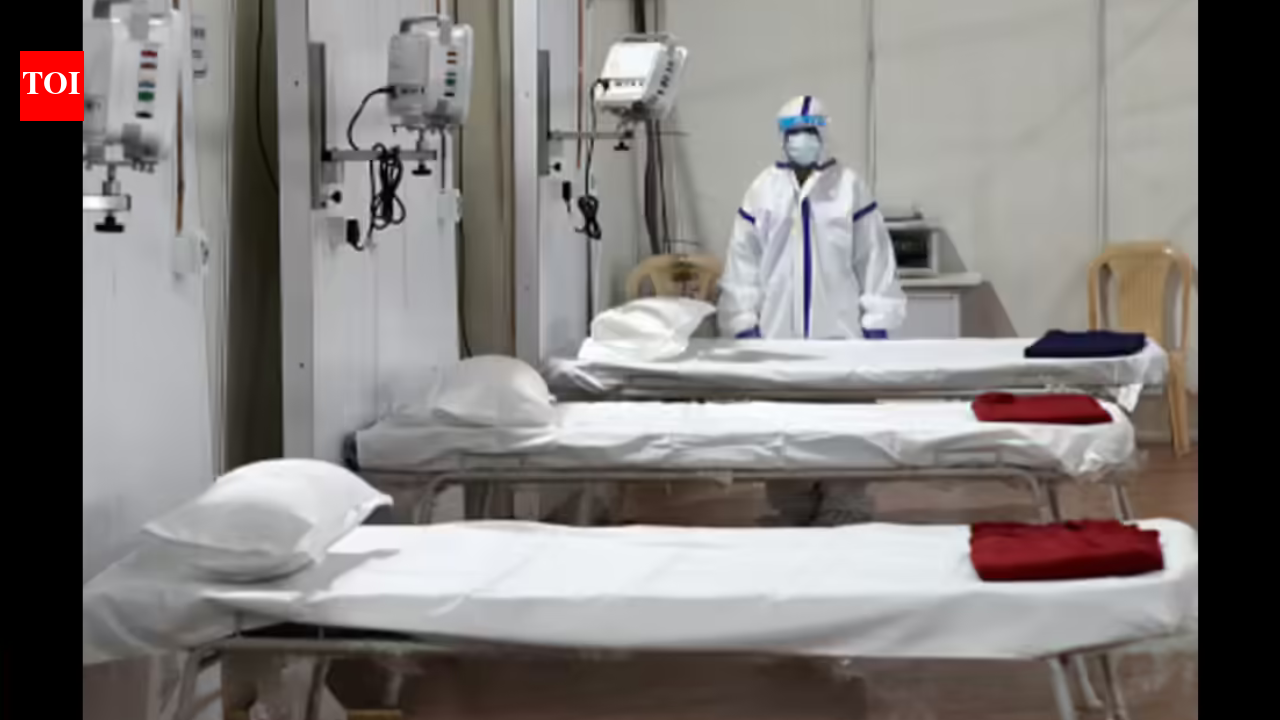
New Delhi: In a move aimed at preventing deadly hospital fires, the Union health ministry has issued revised national guidelines mandating stricter safety checks, regular audits and clear evacuation protocols across healthcare facilities.The National Guidelines on Fire and Life Safety in Healthcare Facilities (2026) lay out a comprehensive framework for how hospitals must prevent, detect and respond to fire incidents, with a strong focus on patient safety—especially those in ICUs and other critical care units such as NICUs, PICUs and operation theatres who cannot evacuate on their own.The revised guidelines go beyond earlier building-level norms by introducing a hospital-specific safety framework with clear accountability, mandatory risk audits and detailed evacuation protocols for critical care areas—gaps that were not uniformly addressed earlier.The guidelines were released alongside a nationwide push on fire safety, with the Centre observing Fire Safety Week from May 4 to 10 and urging states and healthcare facilities to reassess preparedness, conduct audits and strengthen response systems.The document notes that hospitals are particularly vulnerable due to high oxygen use, complex electrical systems and immobile patients, with electrical faults identified as a leading cause of fires in healthcare settings.Under the new framework, hospitals must carry out regular fire risk assessments, maintain a fire safety plan and conduct annual fire and electrical safety audits. Facilities are also required to classify ICUs, NICUs, PICUs, operation theatres, oxygen storage areas and electrical rooms as high-risk zones requiring stricter monitoring.The guidelines mandate that every hospital appoint a dedicated fire safety officer and set up a fire safety committee responsible for preparedness, training and coordination with local fire services. Staff will undergo regular training and mock drills to ensure readiness during emergencies.A key focus is early detection and rapid response, with hospitals required to install and maintain fire alarms, sprinklers, hydrant systems and smoke control mechanisms, supported by round-the-clock monitoring.Detailed evacuation protocols prioritise horizontal evacuation—moving patients to safer areas on the same floor—given the risks involved in shifting critically ill patients.Officials have also pushed for stronger compliance, including regular reporting of fire safety audits and wider awareness efforts, as part of building a safety culture across healthcare facilities. The aim is to make preparedness routine, reduce the risk of major incidents and ensure continuity of care during emergencies.

Hi my friend! I wish to say that this article is awesome, nice written and include approximately all significant infos. I would like to look more posts like this .
Would love to perpetually get updated great website! .
Unquestionably believe that which you said. Your favorite justification seemed to be on the net the simplest thing to be aware of. I say to you, I definitely get annoyed while people consider worries that they just do not know about. You managed to hit the nail upon the top and also defined out the whole thing without having side effect , people could take a signal. Will likely be back to get more. Thanks