

Sensex falls over 1,300 points as high crude oil prices, PM Modi’s austerity appeal unnerve investors

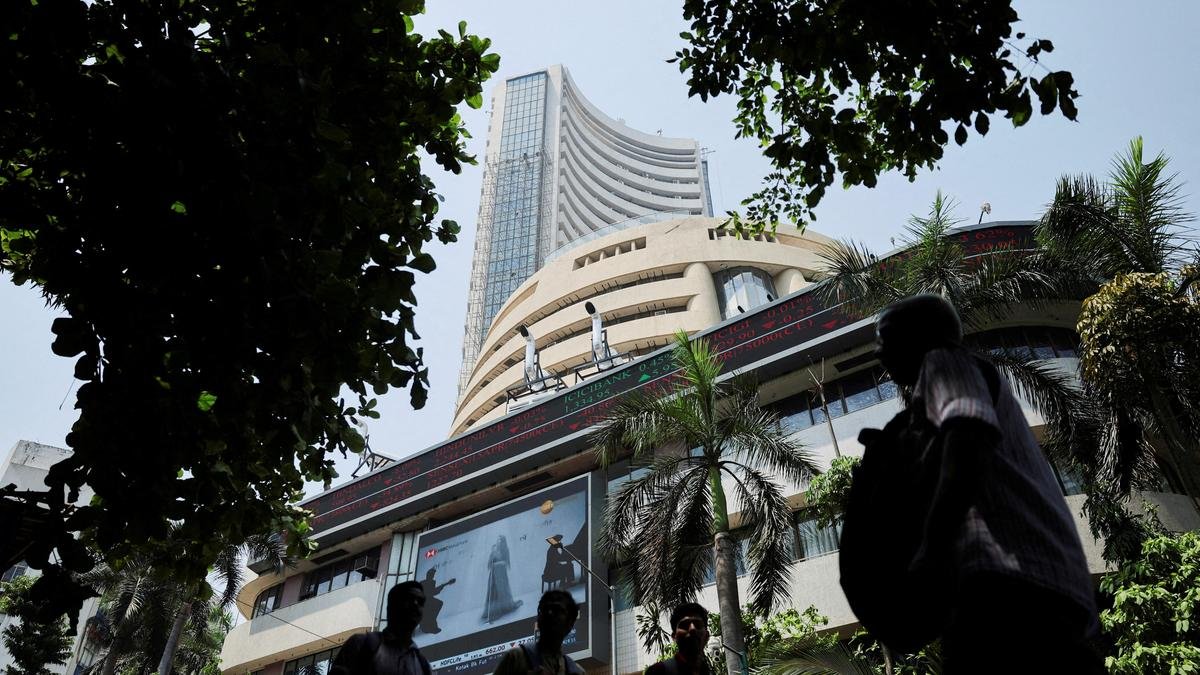
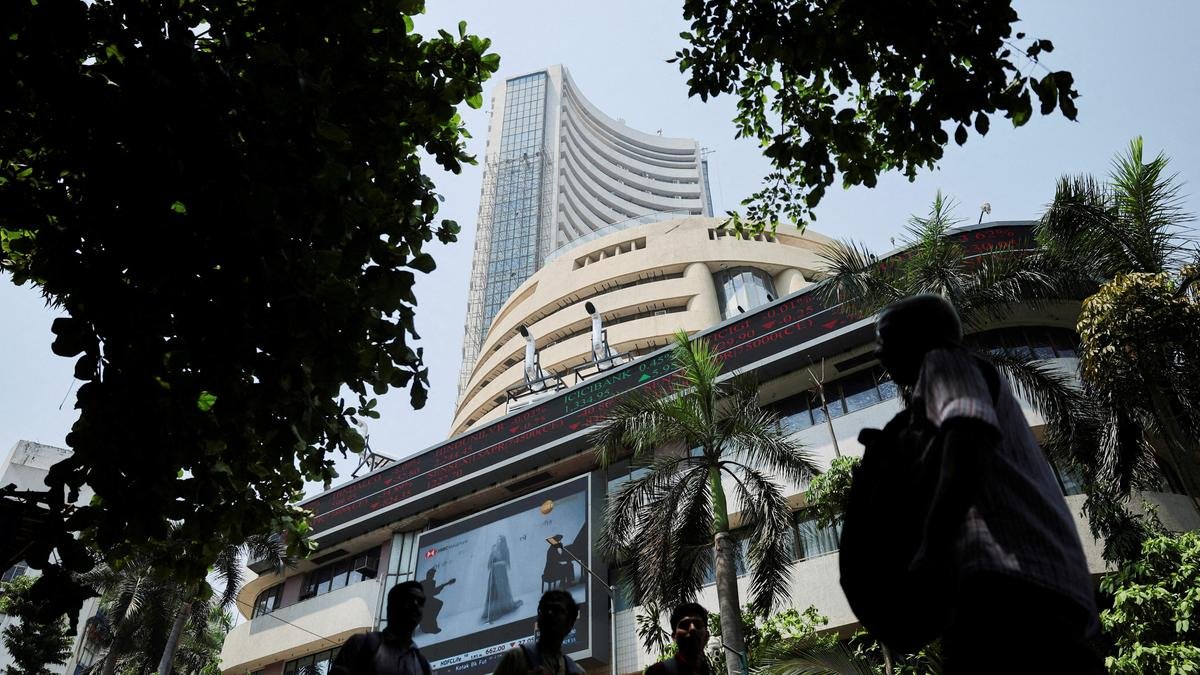
Stock markets fell for the third day running on Monday (May 11, 2026), with the benchmark Sensex tumbling 1,313 points amid rising crude oil prices after the U.S. and Iran failed to reach a peace deal to end the war in West Asia.
The 30-share BSE Sensex tanked 1,312.91 points, or 1.70%, to settle at 76,015.28. During the day, it tumbled 1,370.79 points or 1.77% to 75,957.40.
The 50-share NSE Nifty dropped 360.30 points or 1.49% to end at 23,815.85. In three sessions since Thursday (May 7, 2026), Nifty dropped over 2% or 515 points, while Sensex has fallen by nearly 1,950 points or 2.5%.
U.S. President Donald Trump dismissed Iran’s response to the latest peace proposal as ‘totally unacceptable’, dampening hopes of an immediate diplomatic breakthrough, an expert said. Also, Prime Minister Narendra Modi’s appeal for austerity measures amplified investor concerns around forex reserves, fuel costs, and consumption outlook, analysts said.
Titan, a leading jewellery and fashion accessories company, was the biggest loser among Sensex companies, dropping by nearly 7%. InterGlobe Aviation, State Bank of India, Bharti Airtel, Eternal and Reliance Industries were among the major laggards.
Sun Pharma, Hindustan Unilever, Adani Ports, Kotak Mahindra Bank, Axis Bank and ICICI Bank were the winners.
Brent crude, the global oil benchmark, traded 2.23% higher at $103.5 per barrel.
“The Indian equity markets witnessed a sharp sell-off session today, with benchmark indices correcting more than 1.4% amid rising geopolitical concerns and heightened fears over inflationary pressures.
“Rising uncertainty surrounding crude oil prices and fears of further geopolitical escalation triggered aggressive unwinding of positions, dragging indices lower into the close,” Hariprasad K, Research Analyst and Founder, Livelong Wealth, said.
The immediate trigger for today’s weakness came after Prime Minister Narendra Modi’s speech on May 10, which the market interpreted as a sign of mounting macroeconomic stress, he said.
“While global uncertainty surrounding the US-Iran conflict and surging crude oil prices had already weakened sentiment, the Prime Minister’s appeal for austerity measures amplified investor concerns around India’s forex reserves, fuel costs, and consumption outlook,” Mr. Hariprasad added.
Emphasising that the Centre is trying to shield people from the adverse impact of the conflict in West Asia, Prime Minister Narendra Modi on Sunday (May 10, 2026) called for judicious use of fuel, postponement of gold purchases and foreign travel, among other measures, to strengthen the economy.
Addressing a rally organised by the Telangana BJP in Hyderabad, he suggested reducing petrol and diesel consumption, using metro rail services in cities, carpooling, increased use of electric vehicles (EVs), utilising railway services for parcel movement, and working from home to conserve foreign exchange amid the crisis in West Asia.
Stressing the need to conserve foreign exchange amid the crisis, Mr. Modi called for postponing gold purchases and foreign travel for one year.
“We have to save foreign exchange by any means,” he said, adding that due to the West Asia conflict, prices of petrol and fertilisers had increased significantly.
Jewellery stocks faced heavy selling pressure, with Sky Gold and Senco Gold falling over 12% intra-day before closing lower by over 6%. Senco Gold closed 7.8% lower after falling 10% in the day trade.
Siddhartha Khemka – Head of Research, Wealth Management, Motilal Oswal Financial Services Ltd, said, “Brent crude emerged as the key market trigger, surging 4 per cent to around USD 105.7 per barrel, intensifying concerns around imported inflation and India’s external balances.”
The BSE MidCap Select index tanked 1.09% and BSE SmallCap Select index declined 0.44%.
Sectorally, Consumer Durables index tumbled 3.76%, Realty (2.74%), MidSmall Private Banks Quality Tilt (2.60%), BSE PSU Bank (2.28%), Consumer Discretionary (2.14%) and Power (2.13%). BSE Healthcare and Hospitals were the winners. A total of 2,892 stocks declined, while 1,457 advanced and 189 remained unchanged on the BSE.
In Asian markets, Japan’s benchmark Nikkei 225 index ended lower, while South Korea’s benchmark Kospi and Shanghai’s SSE Composite index and Hong Kong’s Hang Seng index settled higher.
Markets in Europe were trading mostly lower. U.S. markets ended higher on Friday (May 8, 2026).
“The benchmark index slipped below the 24,000 mark as renewed Gulf tensions, following Trump’s rejection of Iran’s peace proposal, weighed on investor sentiment.
“The cautious mood deepened after the PM’s appeal to conserve energy and avoid non-essential foreign travel, prompting investors to reassess the economic impact of higher crude prices, INR weakness, and pressure on the current account deficit,” Vinod Nair, Head of Research, Geojit Investments Limited, said.
Foreign Institutional Investors (FIIs) offloaded equities worth ₹4,110.60 crore on Friday, according to exchange data.
On Friday (May 8, 2026), the Sensex tanked 516.33 points or 0.66% to settle at 77,328.19. The Nifty dropped 150.50 points or 0.62% to end at 24,176.15.
Hmm is anyone else encountering problems with the pictures on this blog loading? I’m trying to figure out if its a problem on my end or if it’s the blog. Any feedback would be greatly appreciated.
Thanks for another magnificent post. Where else may just anyone get that type of info in such a perfect approach of writing? I’ve a presentation subsequent week, and I’m on the search for such info.
Im now not positive where you are getting your information, however good topic. I must spend a while studying much more or understanding more. Thank you for great info I was searching for this information for my mission.