

Brown rice vs white rice vs chapati: Which is the healthiest for daily meals and weight loss? |
[ad_1]
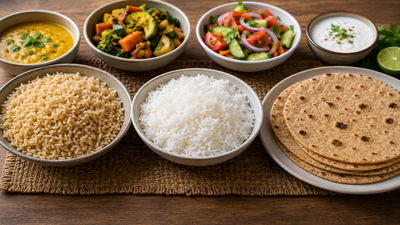
Rice and chapati sit at the center of many Indian meals, and the question of which is “better” rarely has a simple answer. Brown rice earns points for fibre, white rice wins on softness and digestibility, and chapati often feels like the safer everyday choice because it is made from whole wheat and usually eaten with vegetables, dals or protein. But health is not just about one grain or one roti. It depends on portion size, cooking style, what it is paired with, and how your body responds to it. For weight loss, the smartest choice is not always the lowest-calorie one. It is the one that keeps you full, steady, and satisfied enough to eat less overall. These numbers can change depending on the flour, rice variety, size of the serving, and how much oil, ghee or butter is added.
Brown rice: The fibre-rich middle ground
Brown rice, cooked, 100 gCalories: about 111Carbohydrates: about 23 gProtein: about 2.6 gFat: about 0.9 gFibre: about 1.8 g
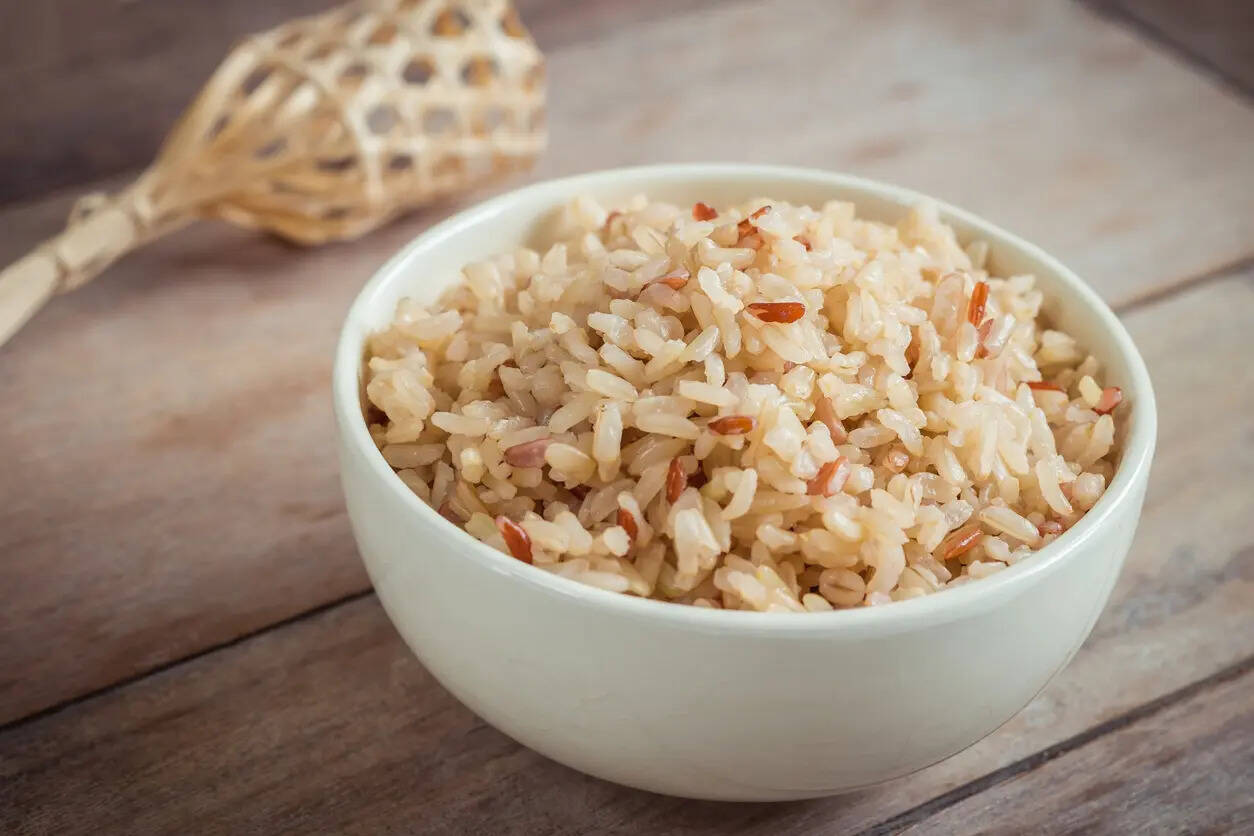
Brown rice is often seen as the healthiest rice because it keeps the bran and germ intact. That means it usually offers more fibre, slightly more vitamins and minerals, and a slower rise in blood sugar than white rice. For people trying to eat better without giving up rice completely, brown rice can feel like a sensible upgrade.Its biggest strength is satiety. Fibre slows digestion, which can help you stay full for longer and reduce random snacking later in the day. It also supports bowel regularity, which many people notice quickly when they move from refined grains to whole grains.Still, brown rice is not a magic weight-loss food. It is easy to overeat, especially if it is served in generous portions with rich curries or fried sides. It also takes longer to cook and has a nuttier texture that not everyone enjoys every day. For some people with sensitive digestion, the extra fibre can feel heavy.
White rice: The lightest on the stomach, but not the most filling
White rice, cooked, 100 gCalories: about 130Carbohydrates: about 28 gProtein: about 2.4 gFat: about 0.2 gFibre: about 0.4 g
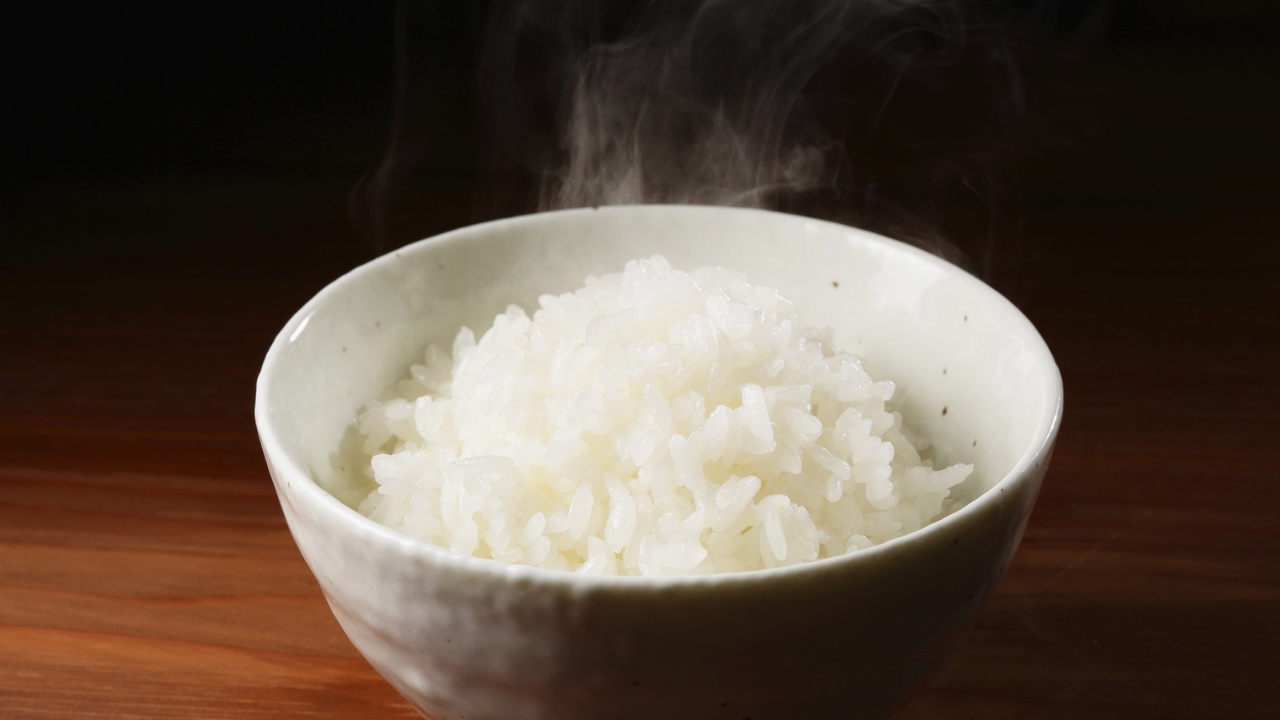
White rice is the most refined of the three. During processing, the bran and germ are removed, which strips away much of the fibre. What remains is easier to digest and quicker to cook, which is why white rice is still a staple across households, hospitals, hostels and comfort-food menus. The main advantage of white rice is its ease. It is soft, mild and often better tolerated when someone has a weak appetite, stomach upset or needs a simple meal. It also tends to be less chewy and more versatile with Indian dishes.The drawback is that white rice digests faster and usually has a higher glycaemic impact than brown rice or chapati. That can mean a quicker rise and fall in blood sugar, followed by hunger returning sooner. For weight loss, that matters because a food that leaves you hungry an hour later can quietly push your total calorie intake higher by the end of the day. That said, white rice is not automatically “bad.” In the right portion, especially when combined with dal, vegetables, curd, eggs or fish, it can fit into a healthy diet. The problem is usually not the rice itself, but the size of the serving and the rest of the plate.
Chapati: The everyday favourite with built-in balance
Chapati, 1 medium plain whole-wheat rotiCalories: about 100 to 120Carbohydrates: about 18 to 22 gProtein: about 3 gFat: about 1 to 2 g if made without much oil or gheeFibre: about 2 to 4 g
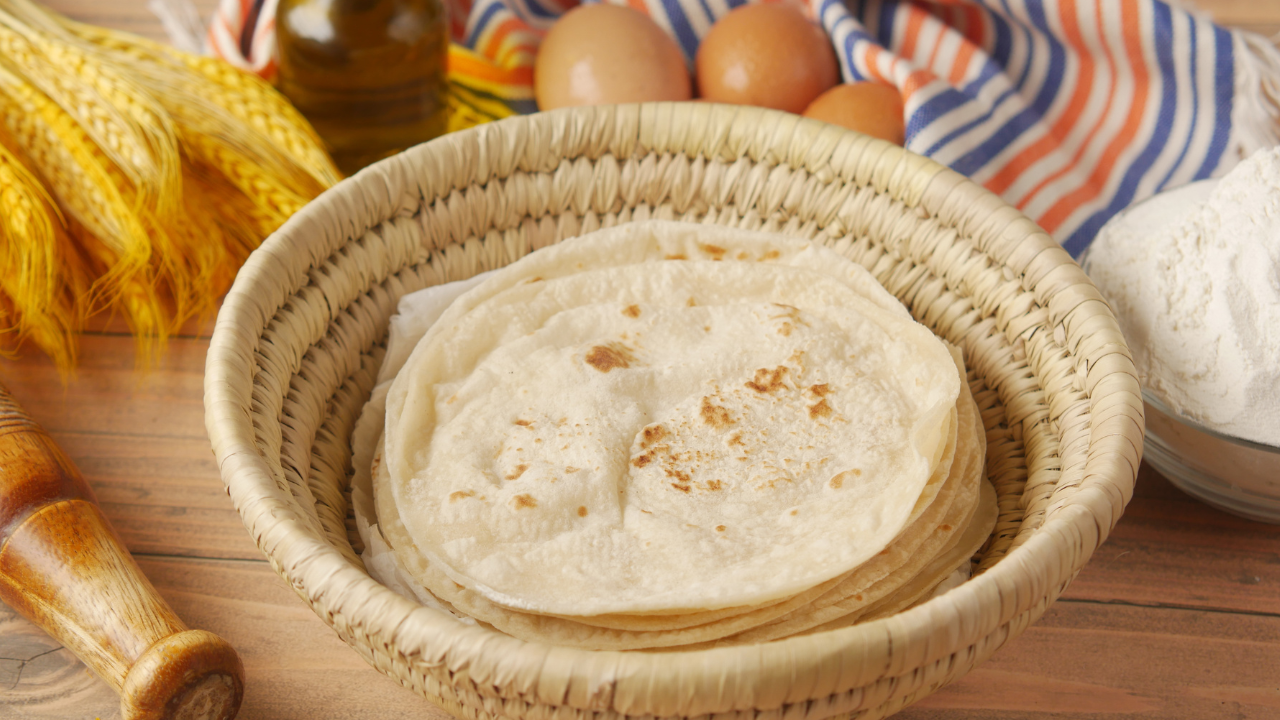
Chapati, especially when made from whole wheat flour, often has the best reputation among the three because it combines moderate calories with more fibre than white rice and a little more protein. A plain roti is usually less calorie-dense than a heaped rice serving, which makes portion control easier for many people.Another advantage is how chapati is usually eaten. It rarely appears alone. It is commonly paired with sabzi, dal, paneer, curd or egg-based dishes. That matters because protein and fibre from the accompaniments improve fullness and make the meal more balanced. Chapati can still become less healthy if it is brushed with ghee repeatedly, made very large, or eaten in large numbers. A dry roti with a balanced sabzi is one thing; four oversized rotis with heavy gravy is another.From a weight-loss angle, chapati often works well because it is satisfying without being too calorie-dense. For many people, two moderate rotis with vegetables and protein can be more filling than a large rice plate, even if the calories are similar.
Which is healthiest for daily meals?
For most people, chapati made from whole wheat is the strongest everyday option, followed closely by brown rice, with white rice coming in as the most refined choice. But the “healthiest” option is not universal.If your goal is overall balance, chapati usually has the edge because it is higher in fibre than white rice and easier to portion than rice for many households. Brown rice is a close second and can be excellent if you enjoy it and digest it well. White rice still has a place, especially when eaten in moderation and paired wisely. A simple way to think about it: chapati and brown rice are better for everyday steady energy, while white rice is better for comfort, quick digestion and occasional flexibility.
Which is best for weight loss?
For weight loss, the winner is usually the one you can eat in the right portion without overeating later. That often means chapati or brown rice, not because they are “fattening” or “slimming” by themselves, but because they tend to be more filling. If you feel satisfied on two rotis, that may beat a rice meal that leaves you hungry again soon. If brown rice feels too heavy or you end up eating more because you do not enjoy it, it may not help you as much as plain white rice in a controlled portion. The real advantage comes from building the plate well. Keep the grain portion moderate, add a good protein source, and load up on vegetables. That combination does far more for weight loss than switching from one starch to another in isolation.If you want a daily staple, chapati is usually the most balanced choice, especially when made from whole wheat and eaten with dal or vegetables. Brown rice is the best rice option for fibre and fullness. White rice can still fit into a healthy diet, but it is the least filling and should be portioned more carefully. For weight loss, the smartest choice is the one that helps you stay full, keeps your meals simple, and prevents overeating later. In that sense, the winner is not a single grain or roti. It is the version of your meal that feels sustainable enough to repeat tomorrow.
[ad_2]
Source link


Enjoyed reading through this, very good stuff, regards.