‘It’s very painful’: Badshah gets emotional watching his parents age; psychologist explains why every adult feels this pain |
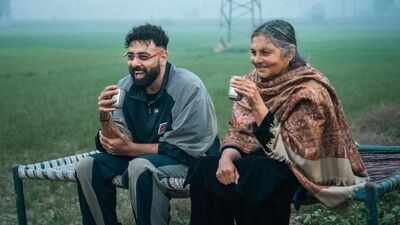
Remember the days when your father’s voice from the other room made your heart race? When was one look from your mother enough to make you sit straight and go quiet? We spent years wishing those moments would stop. Wishing we were free. Wishing they would just let us be. But when it actually stops? It hurts in a way nobody ever warned us about. Rapper Badshah recently said exactly this on the show Chai with T, and within hours, millions of people felt seen. He spoke about the moment he realised his father no longer scolds him. That his mother now asks, “Do you have two minutes?” before calling. “It is very scary,” Badshah admitted quietly. And he was not wrong.
“Do you have two minutes?” Five words that change everything
15 Jun 2026 | 12:57
Is spending lakhs on a child’s birthday party reasonable or insane?
There was a time when our parents never asked for permission. They called. They instructed. They decided. That was simply how things worked. Then one day, something shifts. Your mother hesitates before calling. Your father asks your opinion instead of giving his own. The person who once had an answer for everything now looks at you, waiting. Five small words. “Do you have two minutes?” And suddenly nothing feels the same. According to Saikishore, a clinical psychologist at Aster Whitefield Hospital, this moment triggers something much deeper than we realise.“Throughout childhood, we build our entire sense of safety and identity around the image of our parents as strong, certain, and in control. When that image slowly begins to shift, when they start asking us for advice, seeking our reassurance, it creates a quiet but profound disruption inside us,” he explains.It is not just a role reversal. It is the quiet collapse of the world we always believed was permanent.
It is not just sadness; It is everything at once
What we feel when we watch our parents grow old is not one simple emotion. It never is. It is sadness. It is fear. It is guilt for not calling more often. It is a strange and overwhelming tenderness. And beneath all of that is a grief that has no clear name, because the person we are grieving is still right there in front of us. Still breathing. Still smiling. Still asking if we have eaten. Psychologists call this “ambiguous loss,” the experience of losing someone who has not actually gone anywhere. Of mourning a version of a person who is slowly, quietly changing before your eyes.And if that were not heavy enough, watching our parents age forces us to face something most of us have spent years pushing away. The fact that they are mortal. That one day, they will not be here.And somewhere, in a corner of the mind we rarely visit, the quiet realization that neither will we.
The scolding we hated and now desperately miss
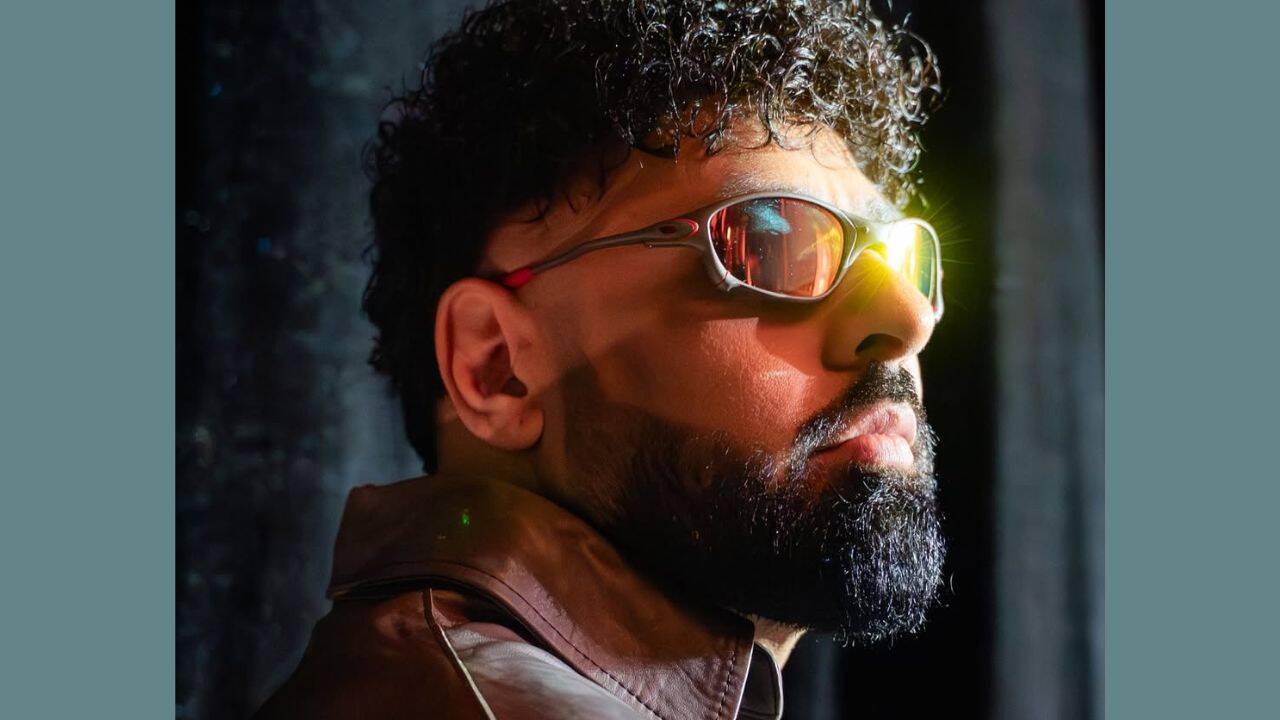
Perhaps the most powerful thing Badshah said was this: he misses being scolded. The very thing he once rolled his eyes at. The lectures. The raised voice. The disappointment in his father’s eyes when something went wrong. He misses all of it. And so many of us do too. Clinical psychologist Saikishore explains why “that scolding was never just anger. It was proof. Proof that someone was watching. That someone cared deeply enough to correct you. That you were important to them. When it stops, the love does not go anywhere, but one of its most familiar signs does. “That is why Badshah’s words landed so hard on so many people.Because he was not just talking about his father. He was talking about every parent who has gone a little quieter with age. Every mother who now waits to be called instead of calling first. Every father who has learned to ask instead of tell. He was talking about all of us.
What do we do with this feeling?
We cannot stop time. We cannot freeze them in the version of themselves we remember from childhood, tall, certain, and unshakeable. But there are things we can do. Small things. Things that matter more than we think. Answer the call. Say yes to the “Do you have two minutes?” Sit with them without your phone in your hand. Ask them about a memory. Let them tell the same story they have told a hundred times, and this time, really listen.Because, as Saikishore reminds us, “The discomfort we feel is not a sign of weakness. It is the clearest possible sign of how deeply we are attached to them and how much they have always meant to us.” Badshah put into words what an entire generation quietly carries, the ache of watching the people who once held your world together slowly begin to lean on you instead.Growing older was always going to happen. But the time we have with them is not guaranteed. So whatever you have been putting off, the visit, the call, the chai together on a slow Sunday morning, do it now. Before “Do you have two minutes?” becomes the question you would give anything to hear one more time.