


Kitchen Sink Stains: 7 simple ways to remove kitchen sink stains without vigorous scrubbing
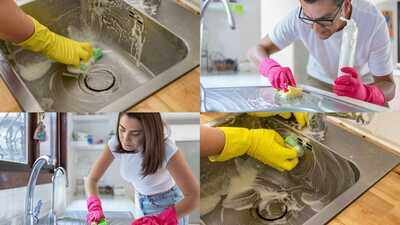
Kitchen sinks are one of the busiest areas within every household. This makes them susceptible to stains from food leftovers, hard water, oil, coffee, tea, and normal use. However, scrubbing is not the best way to handle stains, as some materials used in sink production get scratched during the process. Luckily, there are various easy methods that can remove most stains and do not require much scrubbing.
Baking soda – Gentle cleaning
One of the most gentle and versatile cleaners for light kitchen sink stains is baking soda. Spread it generously onto the damp sink and wait 10 to 15 minutes. Then, wipe the area with a soft sponge or microfiber towel and rinse with warm water. It does not damage the material, but it helps to remove most light stains.
White vinegar for dissolving hard water marks
One of the problems with hard water is stains created by it on sink surfaces. They make the surface look cloudy and dull. Spray or pour some white vinegar on the affected areas and wait several minutes. Natural acidity will help to dissolve mineral layers, and they will be easily wiped. Rinsing the surface with warm water will restore the shine.
Lemon for pleasant smell and cleanliness
Lemon is a great natural helper in cleaning light stains while giving the surface a pleasant smell. Take a fresh lemon and rub it on the stained surface, letting the juice stay for some time. The acids of lemon juice help to remove surface stains and decrease smells of food left there. This is an easy and convenient method during the routine cleaning.
Using paper towels soaked with vinegar for stubborn stains
Stubborn water stains often become a serious problem for homeowners. The easiest way to handle them is to soak some paper towels in white vinegar and put them on the stained areas for 20-30 minutes. After that, they will become easier to remove. Vinegar is able to dissolve mineral deposits and discoloration without much trouble.
Dish soap – Breaks down grease
Greasy layers often trap dirt and make the stain look much heavier than it actually is. Therefore, grease-cutting dish soap should be applied onto the sink and left to stay for several minutes. During that period, the grease gets dissolved. Cleaning with dish soap helps to avoid creation of stubborn stains.
Drying the sink after use
One of the most efficient ways to avoid stains is to keep the sink dry after washing dishes. Water droplets left in the sink create mineral spots when evaporating. Regular wiping of the sink surface with a microfiber towel reduces the possibility of appearance of new stains and keeps the surface shining and beautiful.
Avoid steel wool scrubbers and abrasive pads
Steel wool and abrasive pads might seem like a good choice for cleaning. However, they cause tiny scratches on the stainless steel or coating of ceramic materials. They make further cleaning more difficult. It is better to use non-scratching cloths and sponges for kitchen use.


Hello! I could have sworn I’ve been to this blog before but after browsing through some of the post I realized it’s new to me. Anyways, I’m definitely happy I found it and I’ll be book-marking and checking back frequently!