
Soft vs. Hard Plaque in your arteries: Leading cardiologist explains which one is more dangerous

Soft and hard plaque are two different forms of fatty build-up inside your arteries, and both can quietly damage your heart over many years. The risk of heart attack becomes higher when soft plaque develops because it tends to rupture, but hard calcified plaque indicates prolonged disease progression, which reduces blood flow. Jeremy London, MD, Board Certified Cardiovascular Surgeon, tells us more…What plaque in your arteries actually isPlaque forms from the combination of cholesterol, fats, calcium, scar tissue and inflammatory cells, which accumulate inside artery walls through the process of atherosclerosis. The process begins when vessel walls become damaged because of elevated LDL cholesterol levels, high blood pressure, smoking and diabetes, which leads to immune cell entry for cleanup, but results in permanent fatty tissue damage.
The accumulation of plaque material inside arteries, creates a solid mass which blocks the blood flow path to heart or brain tissues. Your risk level for heart attack and stroke depends on the amount of plaque that has formed in your body, even when you do not experience chest pain or show any symptoms.
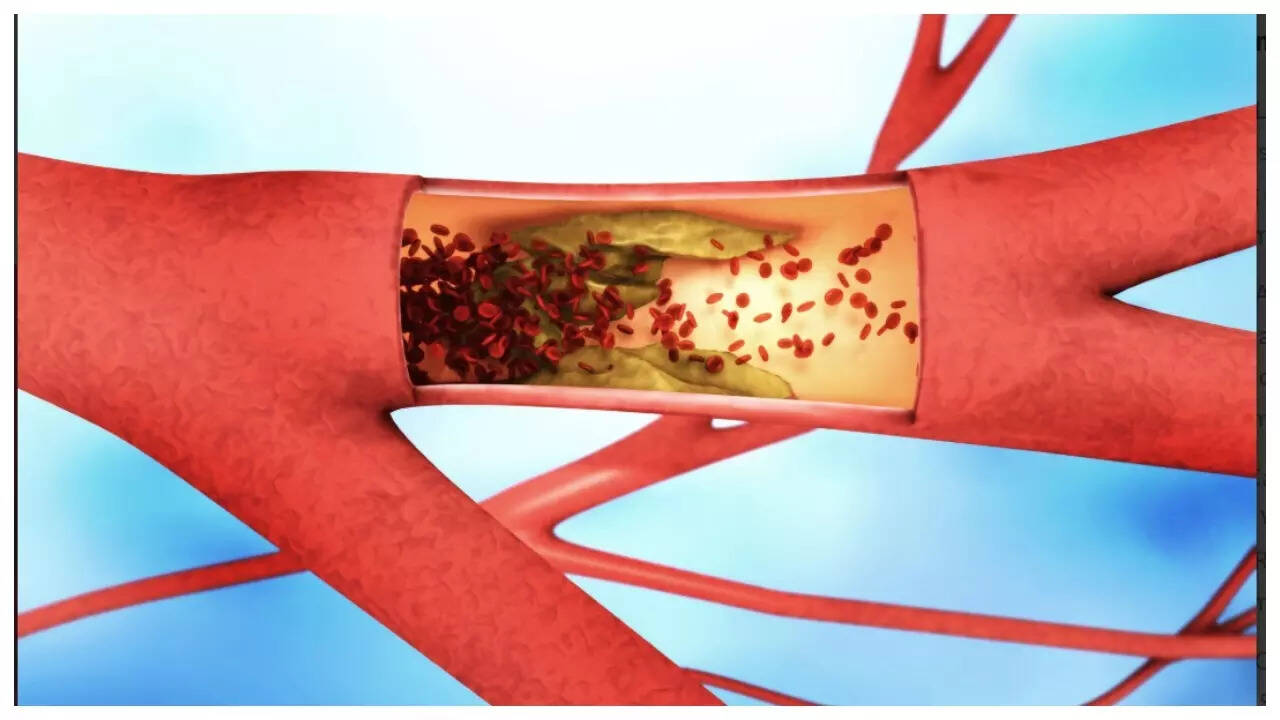
Soft plaque: the fragile “vulnerable” kindThe core of soft plaque contains a big fatty area which includes inflammatory cells, while its fibrous cap remains thin and fragile. Because this cap is fragile, soft plaque is often called “vulnerable plaque”- it is more likely to crack or rupture, when blood pressure spikes or stress hits the artery wall.The inner material of soft plaque becomes visible to blood when it ruptures, which causes platelets and clotting factors to bind to it. This can lead to a sudden blood clot that blocks the artery, cutting off blood to part of the heart muscle, and causing an acute coronary syndrome like a heart attack.Hard plaque: the calcified “scarred” kindThe dense composition of hard plaque contains higher amounts of calcium and fibrous tissue, which results in a stiff and more visible structure that appears well on CT scans and angiograms. The development of this plaque type indicates that atherosclerosis has become a long-standing chronic condition, which progresses through time during multiple years, or decades.The formation of hard calcified plaque results in artery narrowing, and reduced flexibility, which produces stable angina through heart oxygen supply shortages during physical activity. Research indicates that heart attack and cardiovascular death risks increase directly with the amount of calcified plaque, which coronary calcium scores measure.

Soft vs. hard plaque: Which is more dangerous?A heart attack usually occurs when soft, vulnerable plaque causes an unexpected rupture, which happens in arteries that show no signs of severe blockage before the attack.Hard plaque on the other hand, is less likely to burst, but it shows how advanced and widespread your artery disease has become. Research shows that dense plaque containing major calcium deposits stays more stable than soft, low-density plaque, but the amount of calcium in plaque determines its total volume and future risk potential.How plaque affects your heart and blood flowThe accumulation of plaque (soft or hard) in arteries leads to their narrowing, which reduces blood flow to the heart muscle, when the body experiences physical activity, or stress. The decreased blood flow through the arteries leads to symptoms which include chest pain, shortness of breath, fatigue, jaw and arm discomfort, that are typical of coronary artery disease.The formation of a complete artery blockage becomes sudden when soft plaque either ruptures, or when plaque surface erosion occurs. A coronary artery blockage causes heart muscle death, which occurs within hours to minutes after the blockage leading to myocardial infarction (heart attack) and potentially resulting in heart failure or immediate death.How doctors see and classify soft vs. hard plaqueDoctors can use modern imaging techniques to determine the composition of plaque between soft and hard types. The carotid artery ultrasound test enables doctors to identify three plaque types through sound wave reflection, which they classify as soft, mixed or calcified. The unstable nature of plaques emerges when doctors identify soft or heterogeneous plaque types.Doctors use CT heart scans to determine coronary calcium scores, which show both the presence of hard plaque and the detection of vulnerable plaques, that present with positive remodeling and low density. Research teams now investigate two new methods which use advanced ultrasound technology and elasticity measurements to detect plaques, that will either grow or trigger symptoms.Can soft and hard plaque be reduced or stabilizedPlaque stabilization through lifestyle changes and medical treatment enables doctors to reduce its size in certain patients. The treatment of LDL cholesterol with statins and advanced medications, leads to decreased plaque lipid levels and strengthened fibrous caps, which subsequently decreases the chances of plaque failure and heart attack occurrence.The practice of healthy habits which includes not smoking, consuming plant-based foods, regular exercise, blood pressure and blood sugar management, helps to reduce the development of both soft and hard plaque. Research shows that aggressive risk factors which receive appropriate treatment, will develop into stable calcified lesions, which protect against unexpected vessel rupture, even though the artery continues to narrow.