Difference between 14k, 18k and 22k gold? Here’s what jewellers don’t always explain |
There was a time when buying gold strictly meant picking out heavy, traditional sets destined to sit inside a bank locker. Today, the aesthetic has completely shifted. We are all about “quiet luxury” – layering delicate chains, stacking minimalist office rings, and investing in everyday jewellery we never have to take off.But walking into a jewellery store to nail this trend can feel like a math test. The jeweller starts throwing around numbers like 14k, 18k, 22k and sometimes even obscure ones like 2k. If you are standing at the counter wondering what on earth a “karat” actually means for your wallet and your wardrobe, you are not alone.Let us decode the jargon. The karat (k) system simply measures gold purity out of a total of 24 parts. But here is the catch: 100% pure gold is incredibly soft and practically begs to be scratched. To make it strong enough to survive your daily commute, dishwashing, and gym sessions, jewellers mix it with tougher alloy metals like copper, silver, or zinc.Here is exactly what those numbers mean when you are ready to swipe your card.
22k & 24k: The traditional heavyweights
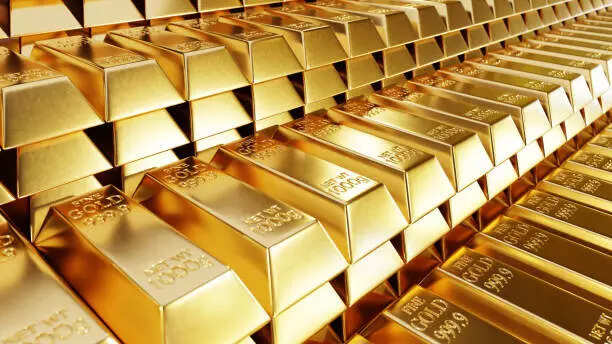
Before we talk everyday wear, let’s address the desi standard. 24k is 99.9% pure gold – but it is strictly reserved for investment coins and heavy bullion bars because it is simply too soft to wear. Then we have 22k (91.6% pure gold). This is the absolute hallmark of traditional Indian bridal jewellery and family heirlooms. It is rich, striking, and beautiful, but its low durability means it is not built for your daily wear-and-tear.
18k gold: The luxurious sweet spot
When you think of that classic, warm yellow gold that looks expensive but is actually wearable, you are thinking of 18k.● The Mix: It contains 75% pure gold and 25% alloy metals.● The Vibe: Because of the high gold content, it is gorgeous, highly resistant to tarnishing, and generally hypoallergenic. If you have skin that breaks out easily from cheap metals, 18k is your safest bet.
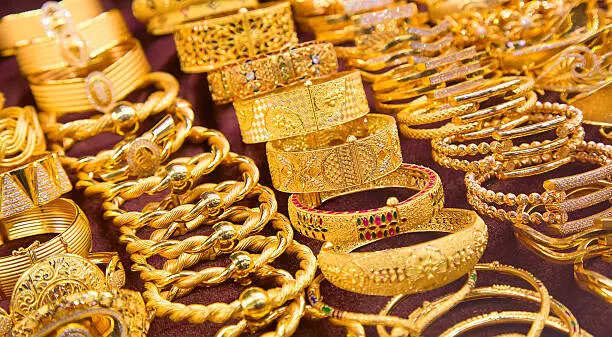
● The Catch: It is softer than lower karats, so it requires a bit of care. Reserve your 18k pieces for the VIP section of your wardrobe.
14k gold: The daily workhorse
Let’s be real – if you are the kind of person who sleeps, showers, and hits the gym in your favorite delicate chains, 14k gold is exactly what you need. It gives you that gorgeous, stacked minimalist vibe but is incredibly stubborn, meaning it will actually survive your busy routine without warping or denting.● The Mix: Sitting at 58.3% pure gold and 41.7% alloy metals.● The Vibe: It trades a tiny bit of that vibrant yellow hue for serious durability. The higher alloy content makes it incredibly strong and highly resistant to scratching. Plus, it is much more budget-friendly than 18k.● The Catch: The color is slightly paler, but for everyday wearable jewellery and wallet-conscious trend pieces, it is an unbeatable compromise.
2k gold: The mystery metal (Or just a typo?)
Have you stumbled across “2k” gold online and wondered if you found a massive bargain? Spoiler alert: you didn’t.● The reality: 2k gold is virtually nonexistent in the mainstream jewelry market. It is only a meager 8.3% pure gold, with the remaining 91.7% made up of base metals.● The problem: It lacks that beautiful gold warmth, tarnishes incredibly fast, and is almost guaranteed to leave that dreaded green ring on your skin.
● The truth: Honestly? Nine times out of ten, “2k” is just a typo from a seller who actually meant 22k or 24k.The next time you are shopping for some sparkle, ignore the sales pitch and look at your lifestyle. Go for 14k if you want trendy pieces you never take off, stick to 18k for those special investments, and leave the 22k for the wedding season!