
Stop forcing it! The simple cleaning hack for stubborn kitchen cabinets |
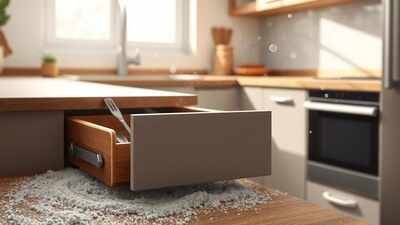
When you have a drawer in your kitchen that will not open, that is one small problem that could ruin your whole day. Usually, we look for the problem in some loose screws, warping wood, or some large, heavy iron pots pushing down on the rail. However, there is an even smaller issue at hand – a thin layer of dirt building up on the rail.Kitchen dust is more than just an aesthetic issue. In such a dynamic environment as a kitchen, dust serves as a mechanical challenge rather than a fibre from your clothing – a mixture of dead skin cells, external contaminants, and microscopic drops of cooking oils. Once embedded in the narrow joints of drawer rails, these dust particles do far more than impede smooth movement. Instead, they create a silent source of indoor pollution, influencing the quality of the air you breathe as you cook your meals.The secret war in your drawerWeird as it may sound, there is indeed some connection between your kitchen drawer and a lizard, as far as dust sticking to surfaces is concerned. One of the studies highlighted in the Journal of Electrostatics in regard to gecko-adhesive technology focuses on the process of dust accumulation on complicated surfaces. The gist of this research is that electrostatic force is responsible for allowing small dust particles to adhere to microstructures, which bear a striking resemblance to the ingenious joint designs used in the construction of drawers. Dust particles not only stick to these joints but also climb and slide through them.That’s because the blowing of air won’t work effectively in dealing with the jamming drawer since the dust has already adhered to the surface and increased the level of friction as you pull out the drawer. Every pull when you drag the drawer causes some dust particles to scratch the lubricant on the rails and create an impure, thick mixture of them. In addition to increasing resistance to moving, this causes faster wear-and-tear, thus explaining the drawer wobble that occurs due to poor-quality cabinets.
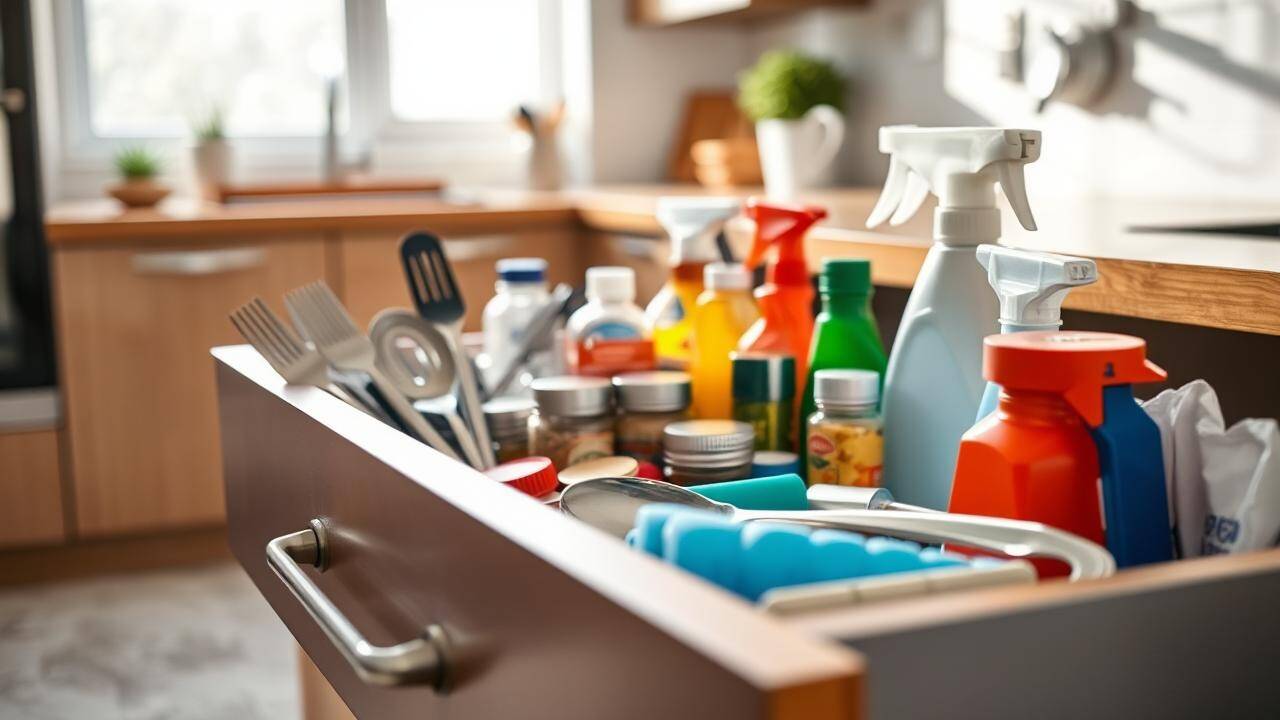
This buildup also contributes to indoor air pollution. Regular cleaning with a vacuum and a damp microfiber cloth is recommended.
Dust cleaning for improved air quality and ease of useThere is another factor in the dust problem in drawers that most homeowners overlook, but it involves their health. According to a literature review in the Journal of Building Engineering, kitchens rank among the areas that produce volatile organic compounds and particulate matter due to cooking. These pollutants tend to spread around the kitchen and accumulate inside the drawers where you have to drag them.Maintaining cleanliness in such spaces goes way past basic tidying and involves managing the elements that will enter your home through its air system. According to experts, consistent cleaning will prevent these dust layers from becoming a permanent part of your home’s structure. Begin by using a vacuum that is fitted with an appropriately narrow crevice attachment to remove the electrostatic layer. Follow up with a gentle wipe using a microfiber cloth slightly wet with a mild degreasing agent to dissolve the sticky layer.Future-proofing your kitchen hardwareTo stop the vicious cycle of stuck drawers, you need a combination of technological foresight and good hygiene habits. Based on the study published in the Journal of Electrostatics, we can suggest that kitchen hardware in the future could be made in such a way that it will resist dust due to electric charges. In the meantime, there is a much easier way to get your kitchen hardware protected: ensure proper airflow in the kitchen.A final piece of advice: use lubrication in moderation. If you’re having trouble opening a drawer, you may be tempted to spray a can of WD-40 into its track or apply grease to it. While this might work in some cases, it will simply attract more dust to adhere to the greasy surface. Instead, choose a dry lubricant like Teflon or silicone, which will ensure everything is smooth without becoming sticky.