Oil prices rise as hostilities worsen in West Asia

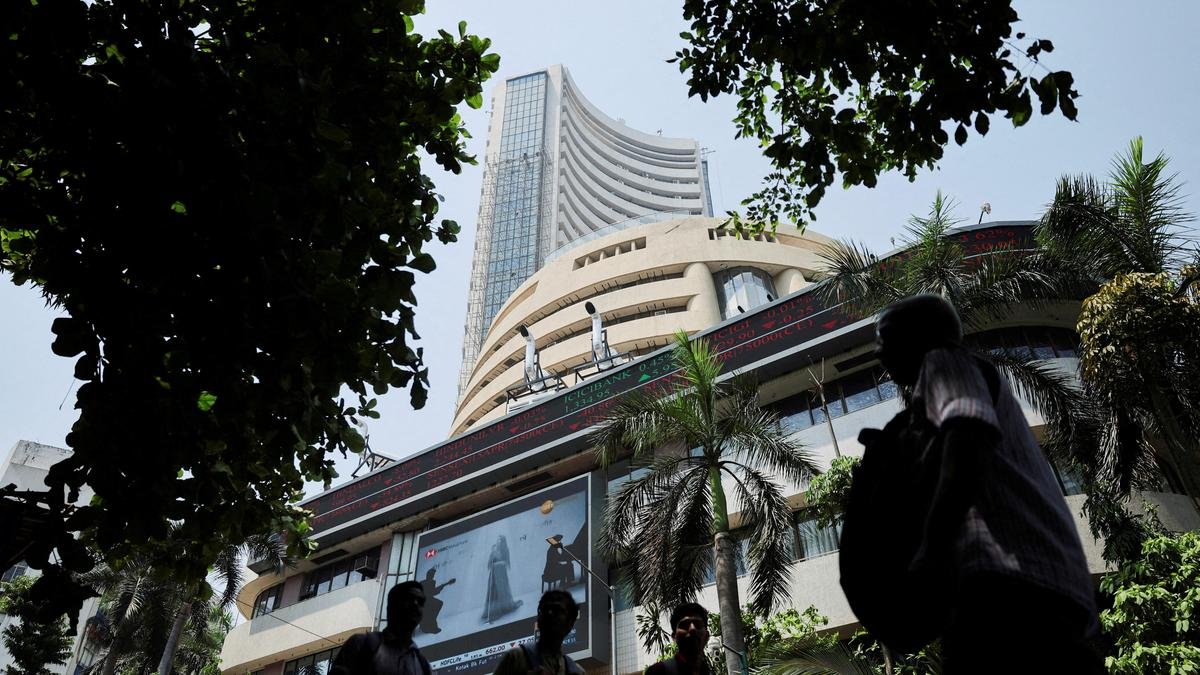
Oil prices closed up 2% at a one-month high on July 14, 2026, as attacks exacerbated a supply disruption in the Strait of Hormuz. File
| Photo Credit: Getty Images/iStockphoto
Oil extended gains on Wednesday (July 15, 2026) as U.S. President Donald Trump reimposed a naval blockade on all Iranian ports and Tehran launched strikes on U.S. infrastructure in the region.
Brent futures climbed 99 cents, or 1.2%, to $85.72 a barrel at 04.00 GMT. West Texas Intermediate futures gained 64 cents, or 0.8%, to $79.98 a barrel.
Oil prices closed up 2% at a one-month high on Tuesday (July 14, 2026) as attacks exacerbated a supply disruption in the Strait of Hormuz, through which about a fifth of the world’s oil and liquefied natural gas passed prior to the beginning of the U.S.-Israeli war on Iran.
“While the physical oil market remains adequately supplied, any further escalation involving the Strait of Hormuz or additional sanctions on Iranian exports could quickly tighten market sentiment and add further risk premiums,” said Priyanka Sachdeva, senior market analyst at Phillip Nova.

Early on Wednesday (July 15, 2026), the U.S. also began a fresh round of strikes “to continue degrading Iranian capabilities used to attack commercial shipping in the Strait of Hormuz,” the U.S. military said.
Tehran says it has again closed the strait after hostilities between Iran and the U.S. reignited last week, fraying an already fragile truce reached in June after several months of fighting.
“I’ll save the energy targets for last, but ultimately we’ll hit energy targets,” Mr. Trump told Fox News in an interview aired on Tuesday night on “Special Report with Bret Baier”.
Iran’s Army said early on Wednesday that it had launched drone attacks against U.S. positions at Jordan’s Azraq base. There was no immediate comment from the Pentagon.
Iran’s Islamic Revolutionary Guard Corps said they targeted weapons and storage facilities in Bahrain and Kuwait. Reuters could not immediately verify the reports.
“The flare-up over the last few days has heightened doubts that a memorandum of understanding signed last month would lead to a permanent halt to the war, which has engulfed Iran’s neighbours.”
“The chances of oil moving back toward $100 in the reasonably near term are still meaningful if hostilities intensify which damages energy infrastructure around the Gulf,” Tim Waterer, chief market analyst at KCM Trade said, noting Brent prices could remain at $75-$80 a barrel if diplomatic efforts helped reopen the strait.
“For now, the risk premium is still embedded, but it’s not a one-way bet given that there remain incentives for both sides to find a diplomatic solution.”
Published – July 15, 2026 12:06 pm IST