India’s F&O boom needs adequate protections

Headlines continue to highlight the devastating financial ruin of investors who trade in the Futures and Options (F&O) segment, as many of them get caught in a spiral of debt. Mounting financial pressure from these trading losses has recently led to multiple cases of suicide.
At their core, F&O contracts are derivatives. They allow investors to buy, sell, or lock in the price of an underlying asset such as a stock, index, or commodity at a future date without actually owning it. While institutions use these instruments to hedge existing portfolios against market downturns, many retail participants are drawn to them solely to speculate, lured by the promise of quick money.
Also Read | India’s options boom, a 25-year-old caution
According to SEBI reports, the average investor driving this frenzy is overwhelmingly male (86.3%), hails from small tier-2 and tier-3 cities (over 72%) and earns less than ₹5 lakh per annum (75%). A July 2025 SEBI study revealed that over 90% of individual traders incurred heavy losses over the four-year period from FY22; aggregate retail losses surpassed ₹2.8 lakh crore, with the average net loss per participant pegged above ₹4 lakh. Only 1% of retail traders managed a profit exceeding ₹1 lakh.

Rigged playing field
Over the last eight years, India has evolved from a marginal player into one of the world’s largest F&O markets. This hyper-growth began during the FY16 to FY19 period, when exchanges introduced weekly-expiring contracts in addition to the traditional month-end expiries. Fuelled by a booming bull market, smooth mobile trading apps, instant UPI fund transfers, aggressive ‘how-to-trade’ content via social media, and cheap discount brokerages, entering the market became effortless. However, the psychological thrill of fast cash has blinded users to reality: over 75% of loss-making retail traders continue to trade year after year, even after sustaining heavy losses.
Also Read | SEBI must name ‘big players’ profiteering at expense of small traders in F&O trading: Rahul
Retail traders lose because they are bringing knives to a gunfight. SEBI’s research reveals that 97% of institutional profits and 96% of proprietary trading profits in the Indian F&O market are generated by algorithmic trading. These institutional desks utilise lightning-fast code co-located directly inside exchange servers. Retail investors are competing against highly sophisticated, millisecond-fast automated strategies they cannot access. A July 2025 SEBI interim order banned Jane Street, an American quantitative trading firm, for index manipulation, highlighting how high-frequency traders exploit retail participants in the F&O market. Furthermore, individual traders focus purely on whether an option premium moves up or down, completely ignoring the massive layer of statutory taxes, platform fees, and transaction charges applied to every click. Over 70% of these transaction costs stem from brokerage and exchange fees. In FY24, retail traders incurred a total net loss of ₹74,800 crore. Of this, ₹22,450 crore went entirely toward transaction costs. When you strip away these costs, individual traders suffered a gross trading loss of ₹52,400 crore. Crucially, this wealth was transferred directly to the other side of the aisle: proprietary traders booked ₹33,000 crore in gross profits, while Foreign Portfolio Investors (FPIs) took home ₹28,000 crore.
Both SEBI and the Union Government have tried to cool this market. Regulators have hiked minimum contract sizes, limited weekly expiries, mandated upfront premiums, enforced a 50% cash collateral rule, introduced stringent intra-day position monitoring and forced brokers to display prominent risk disclosures.
Additionally, the government has repeatedly increased the Securities Transaction Tax (STT) on options premium/ intrinsic value to 0.15% and on futures to 0.05%, to deter ultra-short-term speculation. Ironically, because retail behaviour hasn’t changed, this higher STT has largely acted as an additional tax penalty, worsening the net losses of uninformed investors.
While these initiatives caused a brief contraction in overall F&O volumes, retail investors are stubbornly staying put. In fact, NSE volumes from May 2026 show that the proportion of individual investors in the Equity Derivatives pool actually rose by 4% year-on-year to hit 31%. As FPIs and proprietary traders reduce their exposure, retail traders are choosing to make up a larger slice of a highly volatile, shrinking pie.
The way forward
Indian regulators must now look toward global safeguards. Mature derivatives markets do not rely on warnings; they enforce strict entry barriers and suitability systems to limit speculative risks.

For example, in Singapore, the Monetary Authority of Singapore requires brokers to conduct a formal Customer Knowledge Assessment for exchange-traded derivatives. Similarly, in the U.S., under the Financial Industry Regulatory Authority’s Know Your Customer and Suitability Rules, broker-dealers act as legally liable gatekeepers. Brokers must bucket retail clients into strict options approval tiers based on their self-certified financial health; or face severe fines and civil liabilities if they approve unseasoned traders for complex strategies.
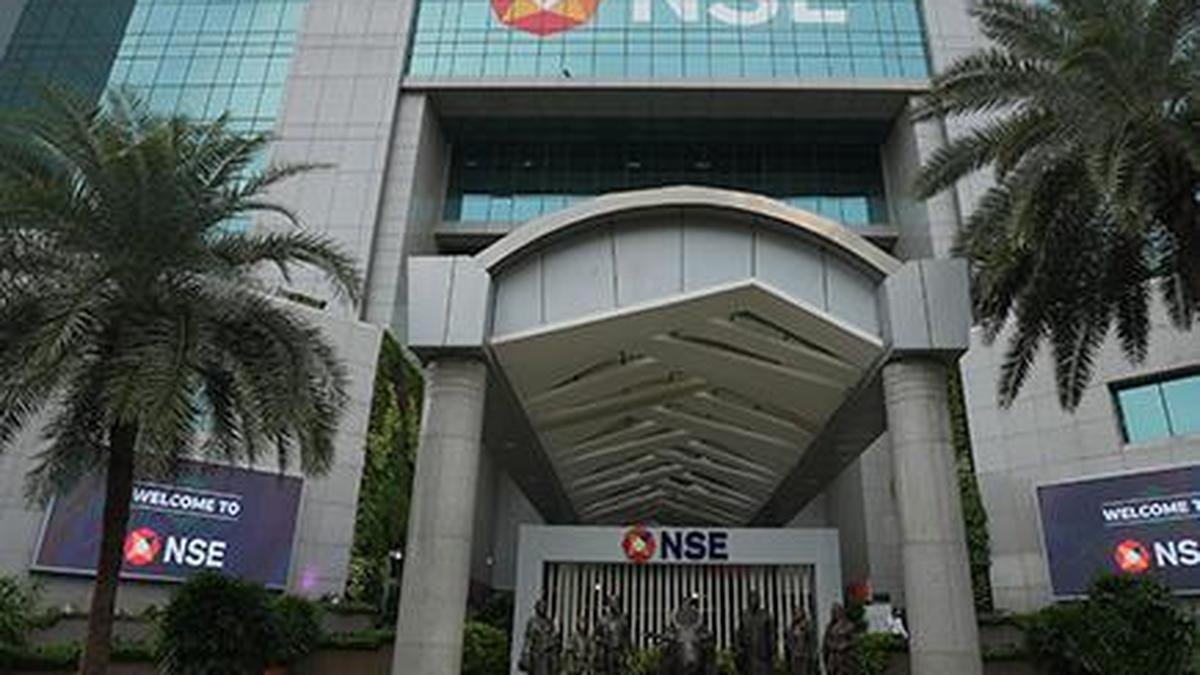
Therefore, to protect vulnerable citizens, SEBI must move beyond passive warnings. This regulatory courage is especially critical as the National Stock Exchange (NSE) prepares for its long-awaited public debut. With a massive portion of the NSE’s IPO valuation anchored directly to the explosive transaction volumes of retail F&O trading, the exchange’s commercial incentives are fundamentally at odds with investor protection. SEBI must see past the market euphoria.
The regulator should explore implementing a baseline liquid capital threshold for F&O access, establish mandatory entry exams, and place the legal responsibility of verifying investor suitability squarely on the shoulders of the discount brokerages profiting from the volume, ensuring that a public listing for the NSE does not come at the cost of financial stability.
Swetha Sekar is VP-Equity and Credit Research, Aionion Investment Managers LLP Chennai. Anand Srinivasan is deep value investor in stocks and commodities
Published – July 20, 2026 12:30 am IST